Network planning
Continuous replanning that trades the cost of change against the cost of a stale plan.
Industry
Freight, ports, rail, and urban mobility — the physical network that AI makes legible.
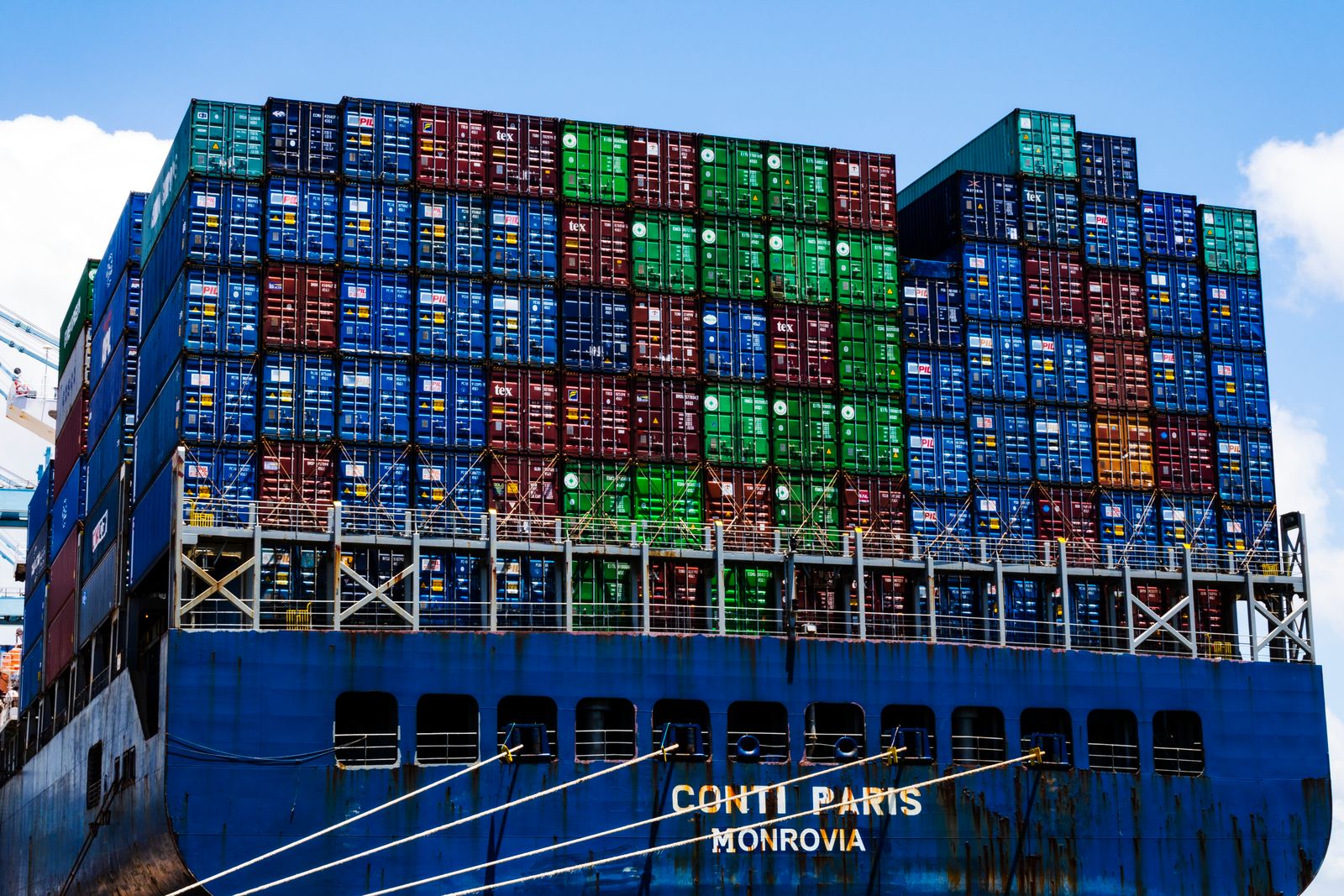
Logistics is a coordination business in which the assets are expensive, the schedules are interdependent, and the exceptions are the job.
AI's contribution is less about autonomous vehicles than about making the network legible: predicting disruption, replanning continuously, and pricing the cost of changing a plan against the cost of keeping it.
We typically start with a single corridor or terminal, prove the replanning economics, then extend across the network.
Illustrative client outcomes, representative of engagements in this sector.
Talk to this practiceContinuous replanning that trades the cost of change against the cost of a stale plan.
Yard, berth, and gate optimisation with measurable throughput and dwell effects.
Utilisation, maintenance, and driver or crew rostering under regulatory constraints.
Proactive exception communication that reduces inbound contact volume.
Evidence
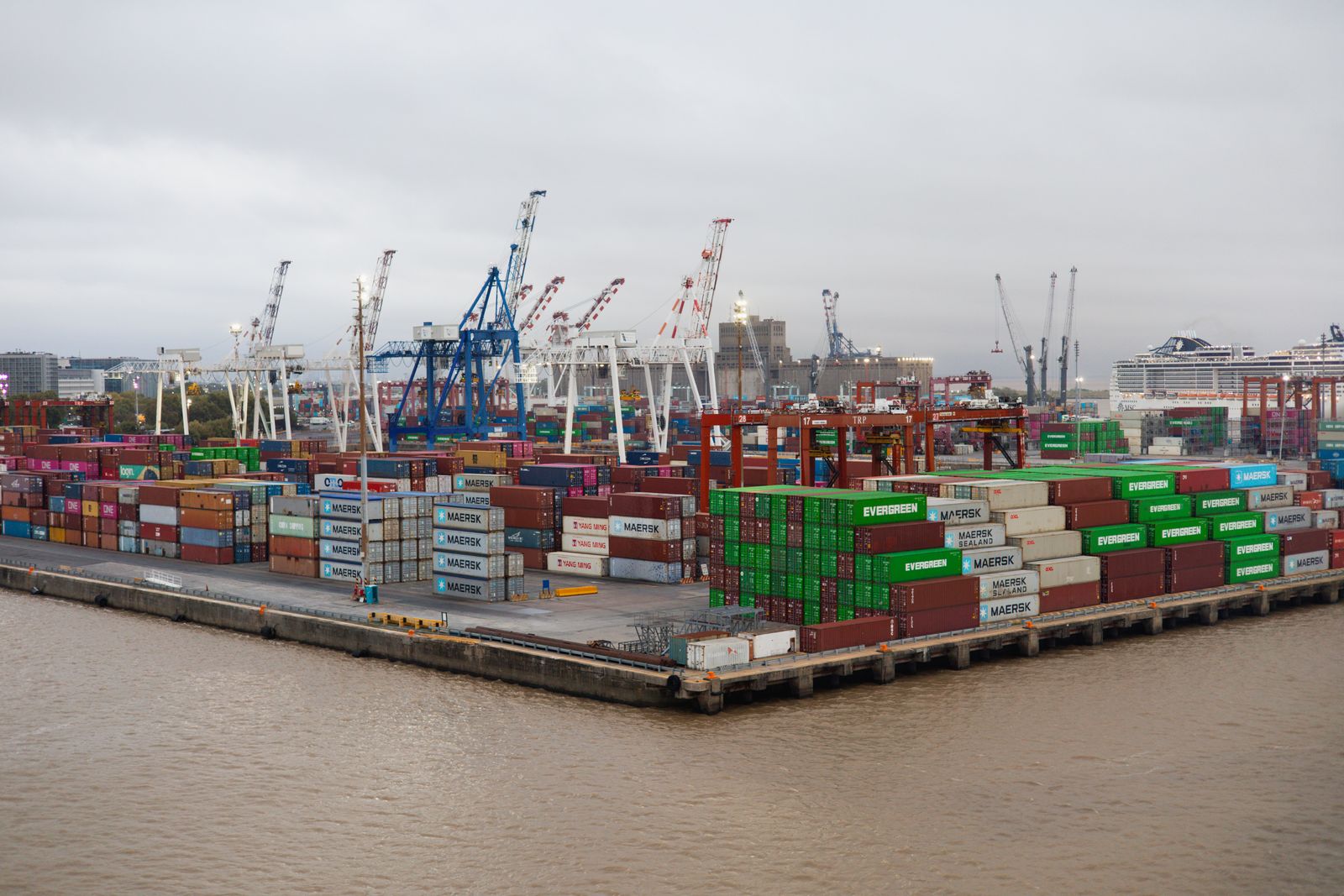
Case study
A European industrial group replaced monthly planning cycles with continuous, agent-assisted replanning — and cut expedited freight by a third.
24 July 2026 · 8 min read

Report
Pilot purgatory is rarely a modelling problem. It is a measurement, ownership, and integration problem — and all three are fixable inside a quarter.
30 September 2026 · 9 min read
Next step
A ninety-minute working session is usually enough to agree the baseline, the owner, and the first evidence gate.