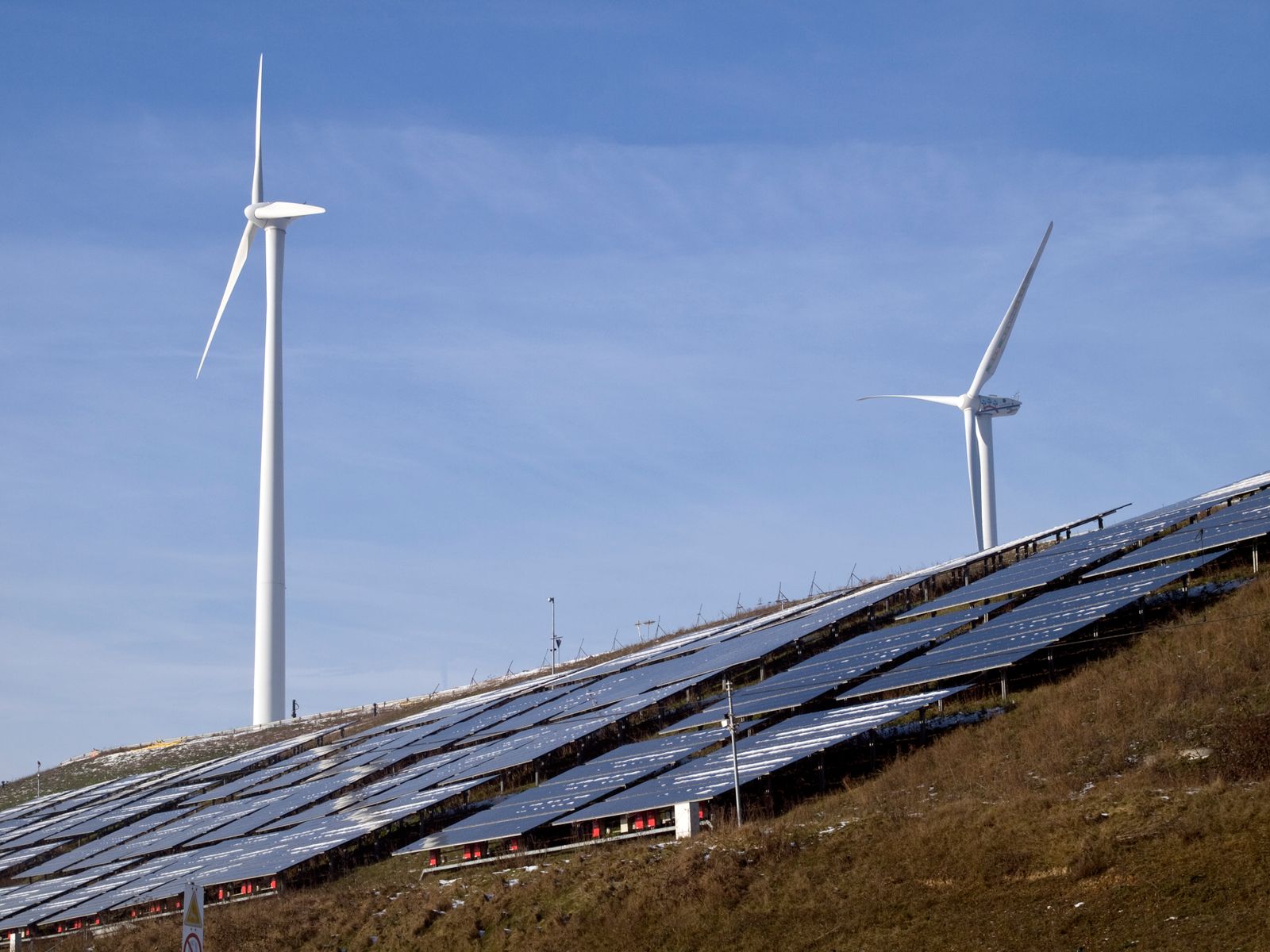
Grid operators are being asked to absorb a structural change in a system designed for predictability: variable generation, electrified heat and transport, and now data centres whose demand can move in minutes.
The engineering answer — more copper, more storage, more interconnection — is necessary but slow. The faster lever is decision speed: forecasting, congestion management, flexibility markets, and outage response all improve materially when models replace static rules.
“The network's constraint is not copper. It is decision latency.”
We see three tiers of value. Operational: better forecasts and dynamic ratings that release existing capacity. Commercial: flexibility markets that pay customers to shift, coordinated by agents rather than spreadsheets. Strategic: capital allocation that treats the network as a platform with published interfaces, so third parties can build on it.
The blocker is rarely technology. It is that data about the network is spread across asset registers, SCADA, market systems, and field notes, and nobody owns the composite. The operators making progress appoint a single owner for network data products, and treat data quality as an operational KPI with the same standing as safety.
Done well, this is not only a cost story. It is the difference between a grid that constrains the transition and one that quietly enables it.